

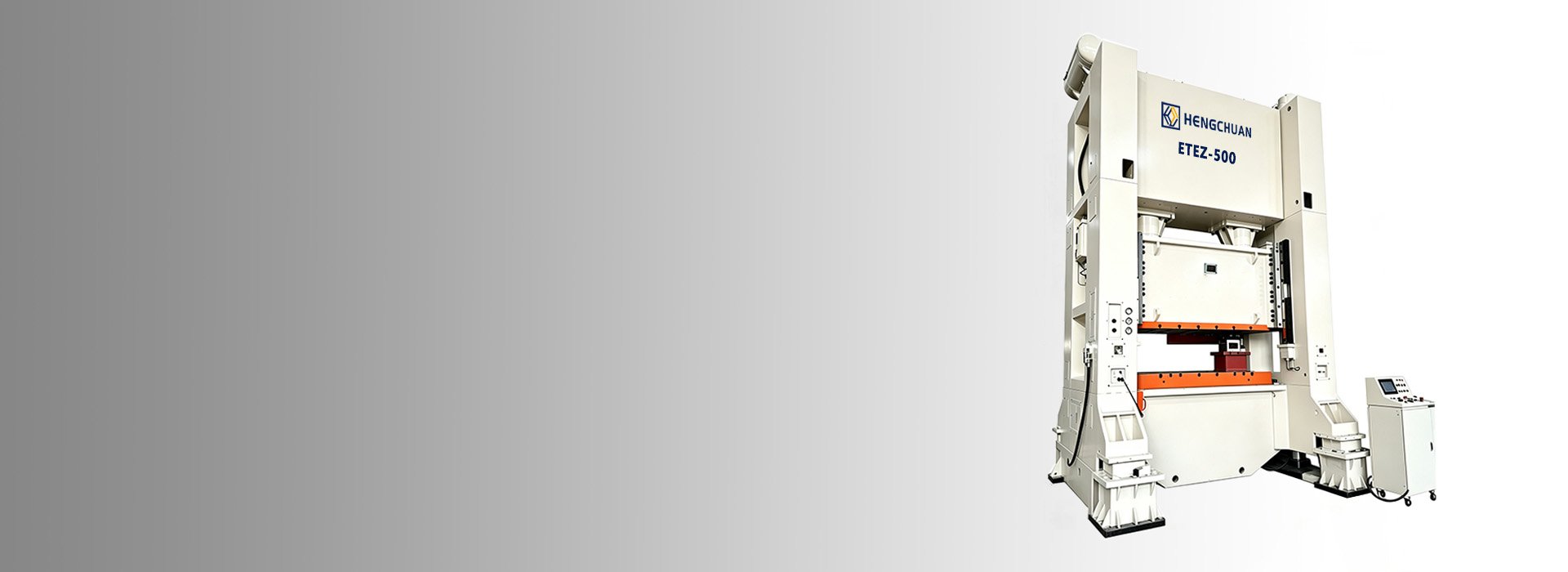
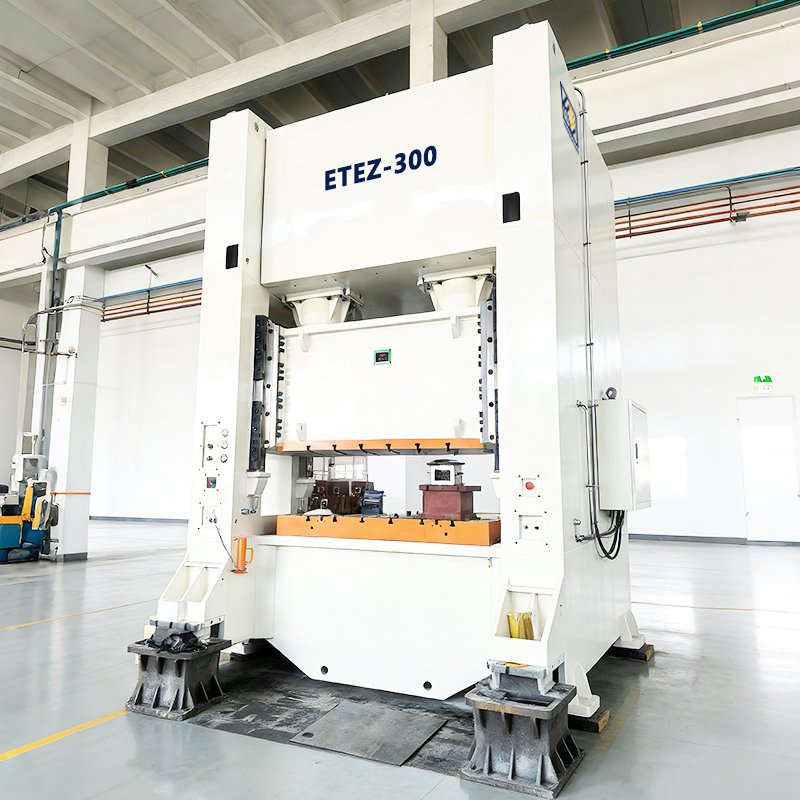
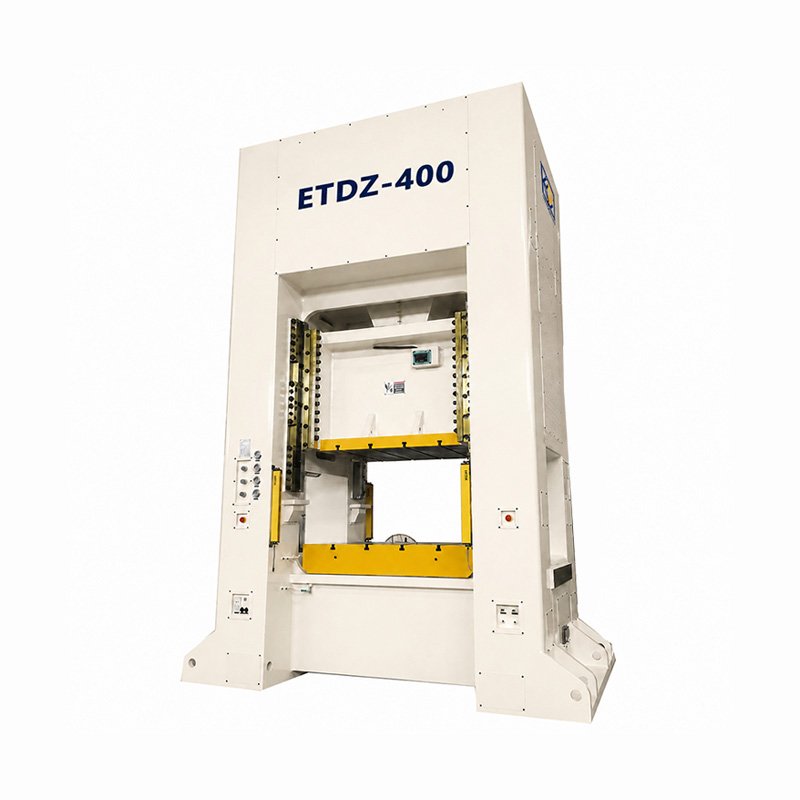
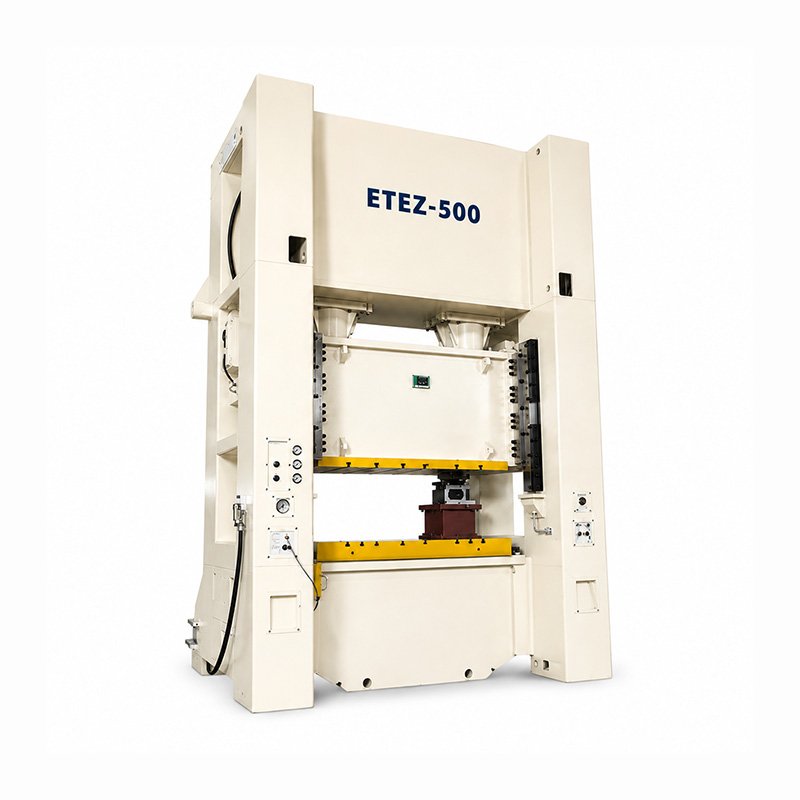
What is a Knuckle Joint Press Machine
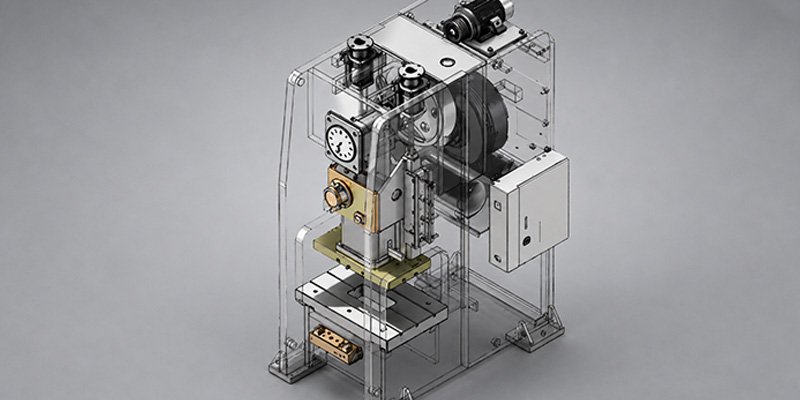
A knuckle joint press is a mechanical press that uses a knuckle-link transmission mechanism to control slide movement throughout the stroke.
The slide moves rapidly during the initial part of the stroke for efficient operation. As it approaches the bottom dead center (BDC), the knuckle mechanism changes the motion ratio, significantly reducing slide speed while increasing mechanical advantage and forming force.
This controlled motion allows the knuckle joint press to concentrate high forming force near BDC, making knuckle joint presses particularly suitable for precision forming, coining, embossing, sizing and other high-pressure metal forming applications.
The knuckle-link mechanism also provides stable and repeatable BDC positioning, helping maintain consistent forming conditions from cycle to cycle.
The combination of controlled slide speed, high forming force and repeatable BDC positioning of the knuckle joint press can help reduce sudden mechanical impact on the die, minimize tooling stress and support stable surface quality and dimensional consistency of the workpieces when the knuckle joint press and tooling are properly configured.
Knuckle Joint Press Mechanism
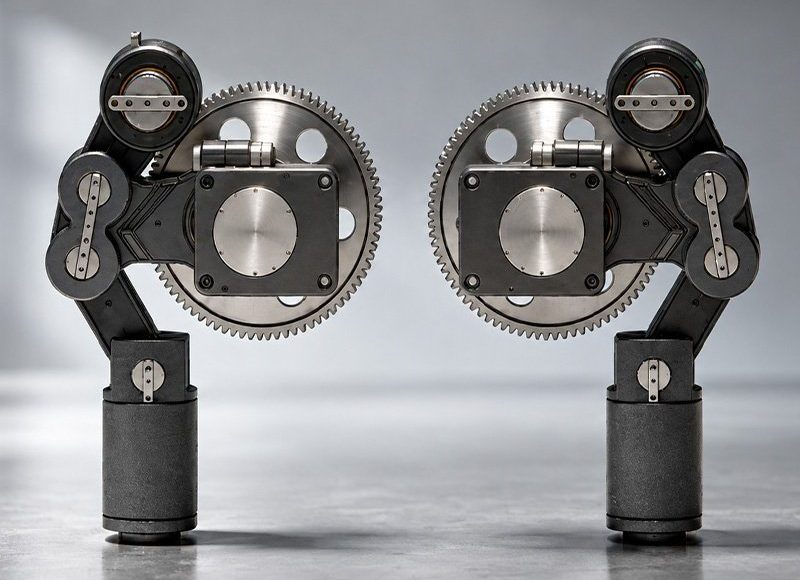
The motor of the knuckle joint press drives the transmission system, which converts rotary motion into controlled reciprocating slide motion through the crankshaft and knuckle-link mechanism. As the slide approaches the bottom dead center (BDC), the knuckle mechanism reduces slide speed while increasing mechanical advantage and forming force.
Motor (Provides the driving power)
↓
Flywheel (Stores and transfers rotational energy)
↓
Clutch & Brake (Controls press engagement and stopping)
↓
Crankshaft (Converts rotary motion into reciprocating motion)
↓
Knuckle-Link Mechanism (Controls slide motion and increases mechanical advantage near BDC)
↓
Slide (Moves the die up and down with controlled motion)
↓
Die (Forms, embosses, coins or sizes the workpiece)
↓
Workpiece / Sheet Metal (The material being formed)
Professional Knuckle Joint Press Manufacturer & Supplier in China
HENGCHUAN is a professional knuckle joint press manufacturer and supplier in China, specializing in mechanical presses for precision metal forming and demanding stamping applications. We provide knuckle joint presses machine with different capacities and configurations to meet various production and tooling requirements.
From engineering and machine manufacturing to assembly, testing and after-sales support, we provide a complete solution for customers who looking for reliable knuckle joint press equipment. Our knuckle presses are designed for applications such as coining, embossing, flattening, thick sheet forming and other precision metal forming processes.
With extensive experience in mechanical press machine manufacturing and international markets, HENGCHUAN supports customers with technical consultation, application-based press selection, customized configurations, commissioning support and after-sales service.
Looking for a knuckle joint press for your application? Contact HENGCHUAN for a customized press solution.
Explore Our Knuckle Joint Press
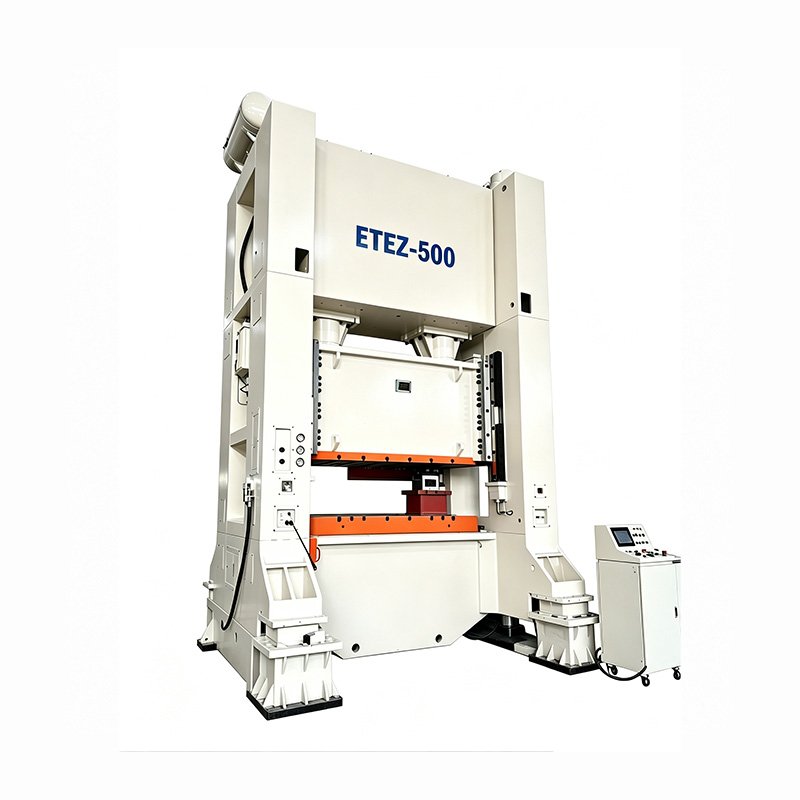
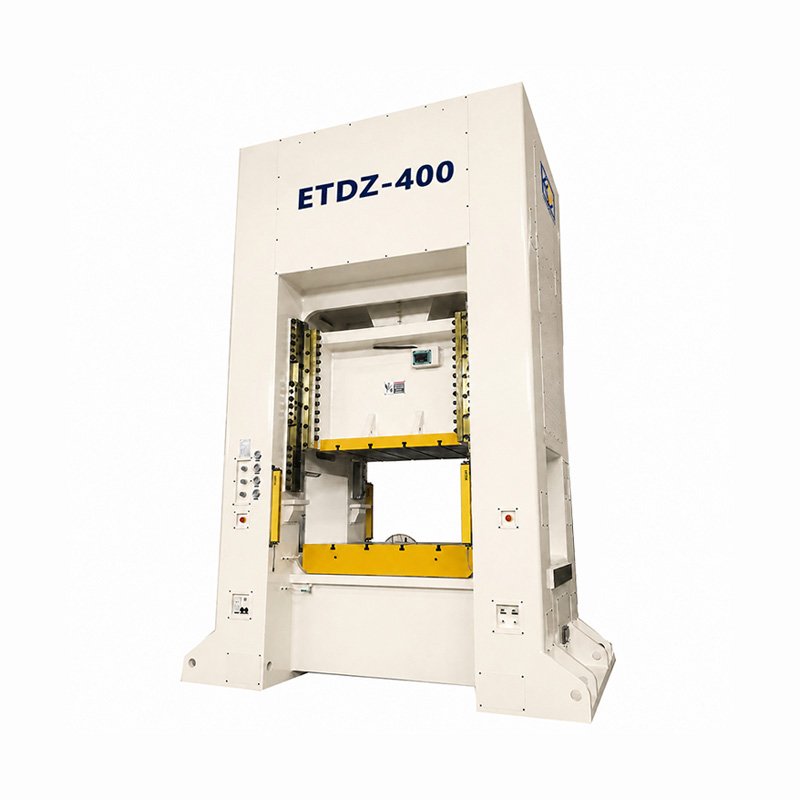
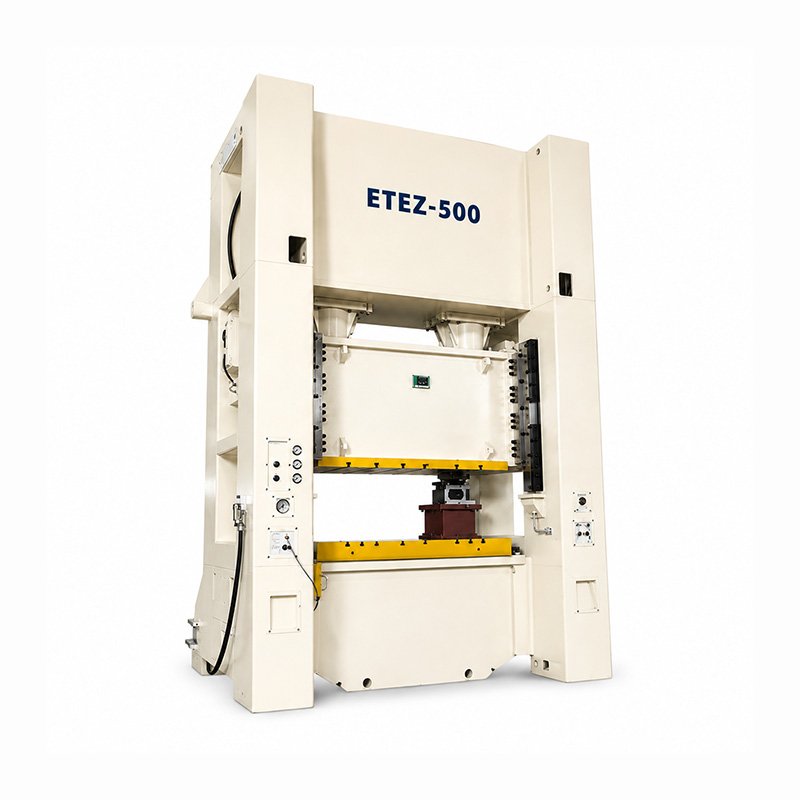
HENGCHUAN’s knuckle joint press have a complete range of specifications, including standard, large tonnage, and precision types, and can also be customized according to your requirements. We support the customization of parameters such as stroke, table size, and max mold height, besides, HENGCHUAN can also offer molds, automated production line integration processes to meet your modern stamping production needs.
Why Choose HENGCHUAN’s Knuckle Joint Presses
A knuckle joint press is designed to generate high forming force while controlling slide motion near the bottom dead center (BDC). This unique mechanical advantage makes it particularly suitable for precision forming processes that require high pressure, controlled movement and consistent forming results.
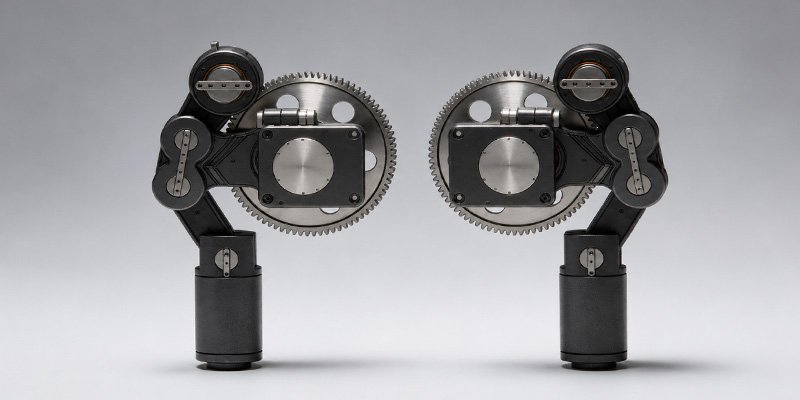
The knuckle linkage increases mechanical advantage as the slide approaches the bottom dead center, allowing the press to deliver high forming
force in the critical forming zone.
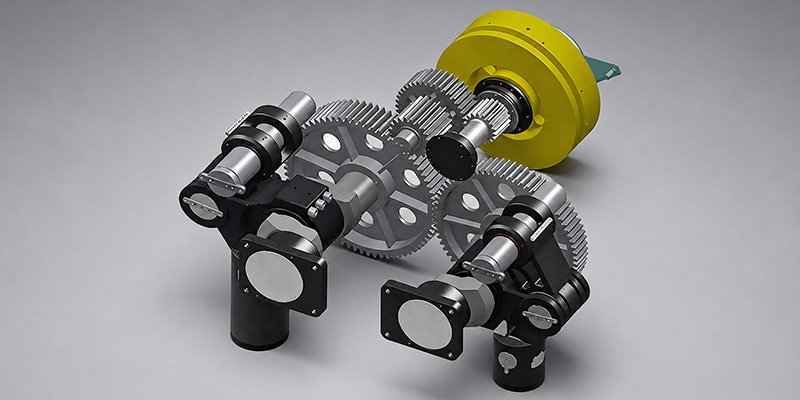
The slide slows down when it approaches BDC, providing more controlled forming motion and helping reduce sudden impact on the die and workpiece.
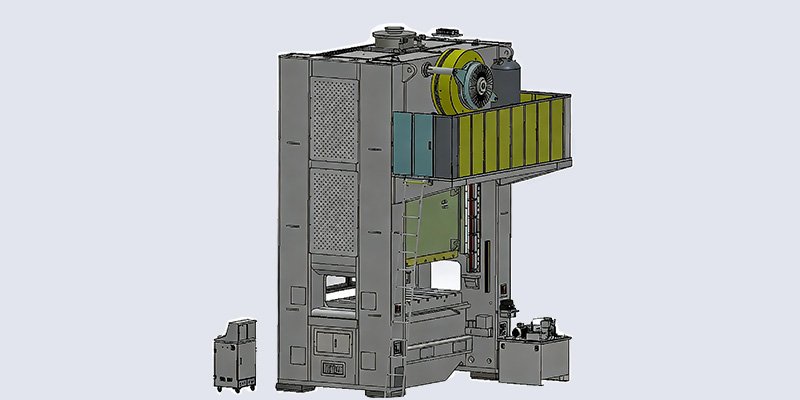
The rigid frame, precision slide
guidance and controlled BDC movement help maintain stable die alignment and repeatable forming accuracy during long production runs.
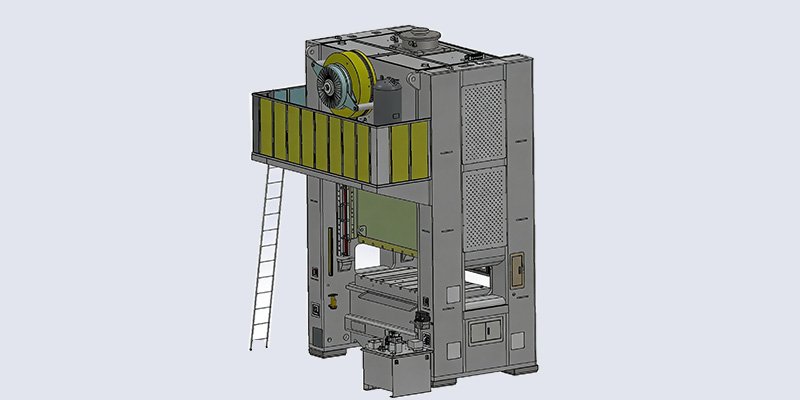
The knuckle mechanism slows down the slide as it approaches the bottom dead center (BDC), reducing the sudden impact on the die during forming. This helps protect the die, improve forming stability and extend die service life.
Knuckle Joint Press Applications
Knuckle joint presses are widely used for high-force and precision metal forming applications where controlled slide motion and consistent forming pressure are important. Their high mechanical advantage near the bottom dead center makes them particularly suitable for coining, embossing, sizing, precision forming and selected cold forming operations.
Watch the HENGCHUAN knuckle joint press in actual operation—from fast slide approach to controlled movement near BDC and high-force forming.
Fast Approach → Controlled Deceleration → High-Force Forming → Rapid Return
H Frame Single-Point Knuckle Joint Press with an automated stamping line.
Metal Forming Processes for Knuckle Joint Presses
Knuckle joint presses can be configured for a wide range of metal forming processes involving steel, stainless steel, aluminum, copper, brass and other metal alloys. Their controlled slide motion, high mechanical advantage near BDC and stable forming performance make them particularly suitable for demanding forming applications, depending on material properties, thickness, part geometry and process requirements.
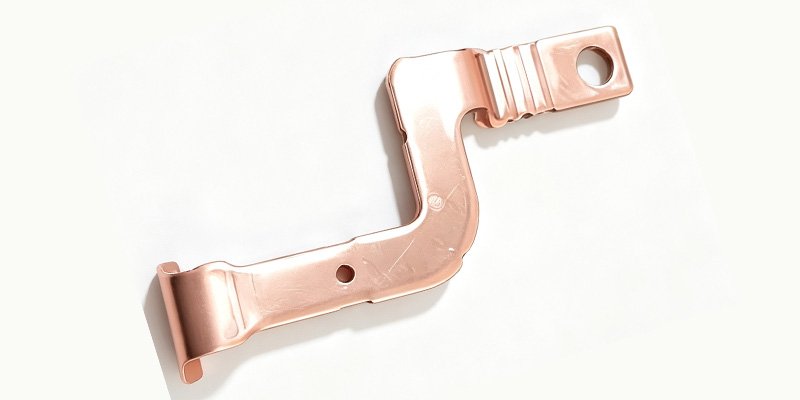
The high mechanical advantage of a knuckle joint press near BDC provides concentrated forming force, making it suitable for coining applications that require accurate part profiles, dimensions and surface details.
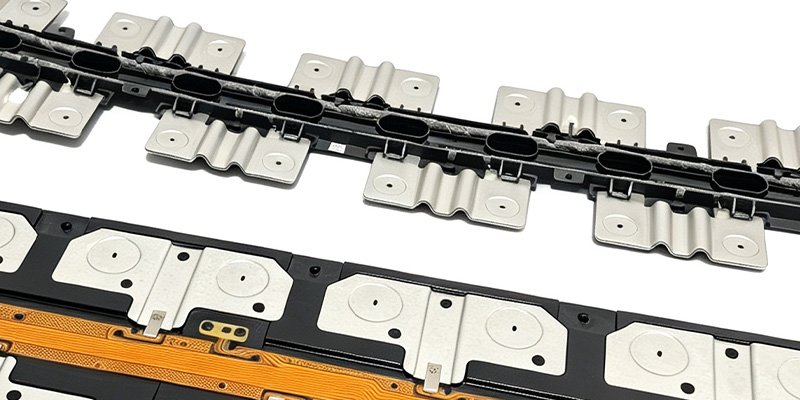
The controlled slide motion of a knuckle joint press helps maintain stable material deformation, while high forming force near BDC supports close contact between the material and die for accurate embossing.
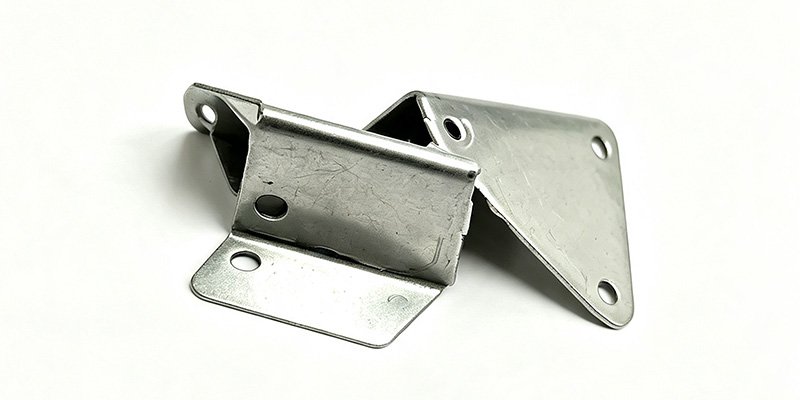
Thick materials generally have higher deformation resistance and require greater forming force. The high mechanical advantage of a knuckle joint press near BDC helps provide the force required for demanding thick-sheet forming applications.
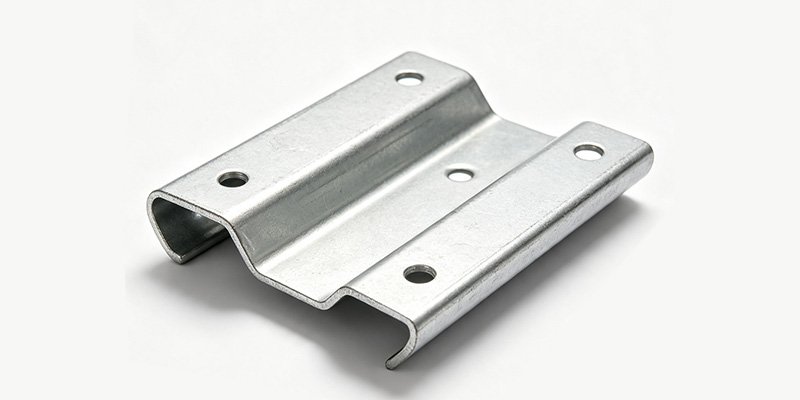
For flattening applications requiring controlled final height and improved flatness, stable bottom dead center positioning helps achieve consistent forming height and part-to-part dimensional consistency.
Which Press Machine Is Right for Your Application
A knuckle joint press is particularly suitable for precision forming processes that require high mechanical advantage and controlled slide motion near the bottom dead center. A conventional crank press remains an effective choice for general-purpose stamping
- High forming force near BDC is required
- Controlled slide motion is important
- Precision forming is a priority
- Coining or embossing is involved
- Reduced tooling impact is desired
- Stable forming performance is required
- General-purpose stamping is required
- Higher production speed is the priority
- The forming process does not require concentrated force near BDC
- Standard blanking, punching or shallow forming is involved

More About HENGCHUAN and Our products
Below is our standard parameter specification, pls feel free to contact us.
- Partial Technical Parameters
- Your Trusted Stamping Press Partner
- Procurement Flowchart
| Model | Unit | ETEZ-300 | ETEZ-400 | ETEZ-500 | ETEZ-600 | ETEZ-800 | ETEZ-1000 | ETEZ-1200 | |||||||
| Type | S-type | H-type | S-type | H-type | S-type | H-type | S-type | H-type | S-type | H-type | S-type | H-type | S-type | H-type | |
| Rated tonnage point | mm | 8 | 4 | 8 | 4 | 9 | 5 | 9 | 5 | 12 | 6 | 13 | 7 | 13 | 7 |
| strokes per minute | S.P.M | 20~40 | 30~60 | 20~40 | 30~60 | 20~40 | 30~60 | 20~40 | 30~60 | 15~30 | 25~50 | 10~25 | 20~40 | 10~25 | 20~40 |
| stroke length | mm | 300 | 150 | 300 | 150 | 300 | 150 | 300 | 150 | 350 | 150 | 400 | 200 | 400 | 200 |
| Max die height | mm | 600 | 500 | 650 | 550 | 650 | 550 | 650 | 500 | 800 | 650 | 900 | 700 | 1000 | 800 |
| Slide adjustment amount | mm | 150 | 150 | 150 | 150 | 200 | 250 | 250 | |||||||
| Platform size(optional) | 1 | 2500*1200 | 2800*1300 | 3200*1500 | 3200*1500 | 3200*1500 | 3500*1600 | 3500*1600 | |||||||
| 2 | 2800*1300 | 3200*1400 | 3500*1500 | 3500*1500 | 3500*1600 | 4000*1600 | 4000*1600 | ||||||||
| 3 | 3200*1400 | 3600*1400 | 3800*1600 | 4000*1600 | 4000*1600 | 4500*1600 | 4500*1600 | ||||||||
| Side opening(LR*H) | mm | 900*650 | 1100*700 | 1200*700 | 1200*750 | 1400*850 | 1600*950 | 1600*1050 | |||||||
| Main motor power | KW*P | 37*4 | 45*4 | 55*4 | 75*4 | 90*4 | 110*4 | 132*4 | |||||||
| Air pressure | kg*cm² | 6 | |||||||||||||
| Press accuracy grade | Grade | JIS 1 | |||||||||||||





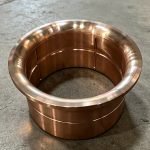
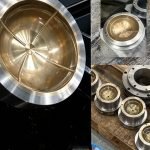

From stamping force curve: The knuckle Joint press machine has maximum stamping force when it near the bottom dead center, while the crank press machine have relative uniform stamping force throughout the stroke;
From slider connecting rod: The knuckle joint press’s connecting rod has a larger inclination angle, so it has a longer force stroke, and the stamping reaction force can be effectively dispersed, which make the stress deformation is smaller,in a word, the knuckle joint press machine’s operation is more stable, and the fatigue resistance is stronger;
However, the crank press machine’s connecting rod is relatively small in swing, and the stamping reaction force will be directly fed back to the connecting rod and crankshaft, which is easy to deform and affect the accuracy of the dead center. This is also resulting in uneven force on the upper and lower templates, making the flatness not natural enough. This will be influence the forming effects, but for the ordinary stamping and bending process, crank press is completely unaffected.
All in all, knuckle press machine have a more complex structure and good forming effect, but its cost is higher.
Selecting a knuckle joint press should start with the application rather than the press capacity alone. Key factors include material, thickness, part dimensions, forming process and tooling requirements. Based on these factors, the required forming force can be calculated and an appropriate press capacity selected.
The largest part does not necessarily require the largest press, and selecting a press exactly at the calculated force is generally not recommended for continuous production. The die dimensions, installation requirements, forming process and appropriate operating load range should also be considered.
If you are unsure which knuckle joint press is right for your application, send HENGCHUAN your part drawing and basic production requirements. Our engineers can evaluate the application and recommend a suitable press configuration.
When using knuckle joint press machine, it is forbidden to operate if the press machine is lack of oil or overload.
As the knuckle joint press’s transmission mechanism characterize, it will have greater force when the slider near bottom dead center, so it’s good at high-speed operation with short-duration pressure, not continuous slow pressing like a hydraulic press.
- Checkingthe lubricating oil circuit at the junction of the knuckle joint and connecting rod, this is because the knuckle joint is most afraid of the dry grinding of the knuckle mechanism
- Regularly checkingthe tightness of the knuckle mechanism, the connecting bolts and bearings of the slider and connecting rod
- Checkingthe operating status of the motor, pulley, and other drive components to ensure that there is no abnormal vibration or overheating. Daily maintenance can ensure the accuracy, operational stability and service life of the knuckle joint press machine.
Servo press machine could adjust the stroke and hold pressure time, while the knuckle press limited by mechanism , it could not adjust the stroke length and dwell time.
Knuckle joint presses can be used for a wide range of metals, including carbon steel, stainless steel, alloy steel, aluminum and aluminum alloys, copper and copper alloys, as well as selected high-strength or difficult-to-form materials.
Material suitability should not be determined by material type alone. The material properties, thickness, part geometry and actual forming process must be evaluated together to determine whether a knuckle joint press is suitable for the application.
Existing dies may be used with an HENGCHUAN knuckle joint press, provided that the die and press specifications are compatible. Key factors include die length and width, shut height, mounting method, bolster dimensions and other tooling requirements.
If you provide us with your existing die specifications or drawings, our engineers can evaluate whether it can be used directly. If the specifications are not fully compatible, we can recommend suitable press configurations or adjustments to the die mounting method.
Yes. HENGCHUAN knuckle joint presses can be integrated with progressive dies and automatic feeding systems for high-volume continuous stamping production.
For complete automated production solutions, HENGCHUAN can integrate a knuckle joint press with a press feeder, progressive die and automation system according to your part requirements, production volume and process requirements.
Knuckle joint presses are particularly suitable for demanding forming processes such as coining, embossing, flattening, thick sheet forming and precision forming. Selected cold and hot forging applications may also be possible depending on material, part geometry, forming force and tooling requirements.
Yes. HENGCHUAN knuckle joint presses can be configured according to your production and tooling requirements, including press capacity, stroke, die height, slide and bolster dimensions, feeding systems and automation options.
To recommend a suitable knuckle joint press, we typically need the part drawing, material type, material thickness, part dimensions, forming process, production volume and tooling information. Based on these details, our engineers can evaluate the required forming force and recommend a suitable press configuration.
Related Product
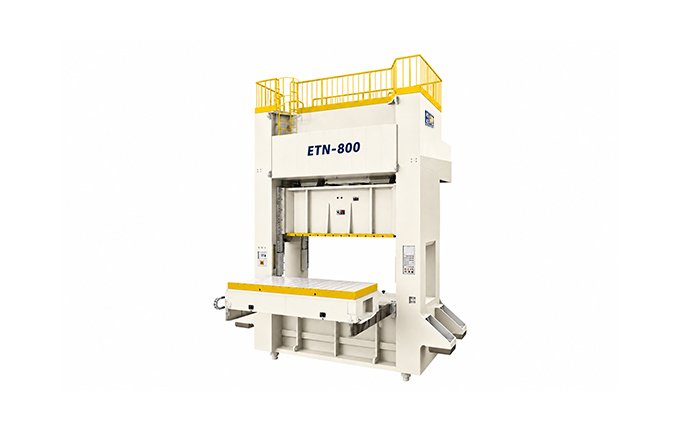
Model: ETN
Tonnage: 300 tons – 1200 tons
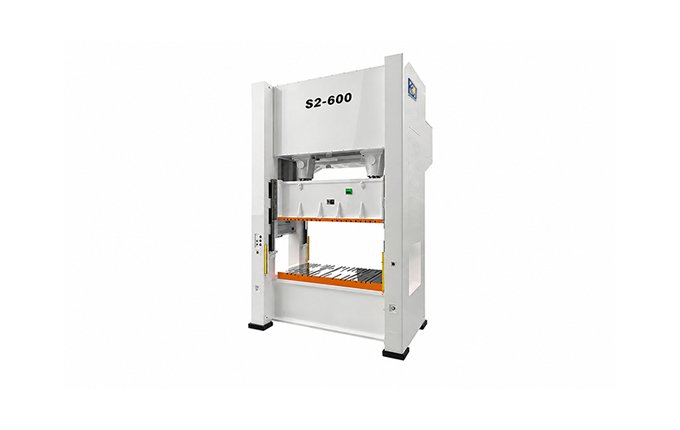
Model: S2
Tonnage: 300 tons – 1600 tons
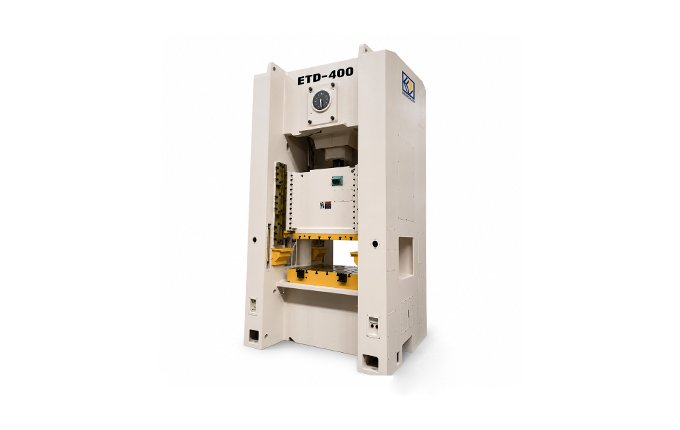
Model: ETD/Y/S/-
Tonnage: 300~1600Tons
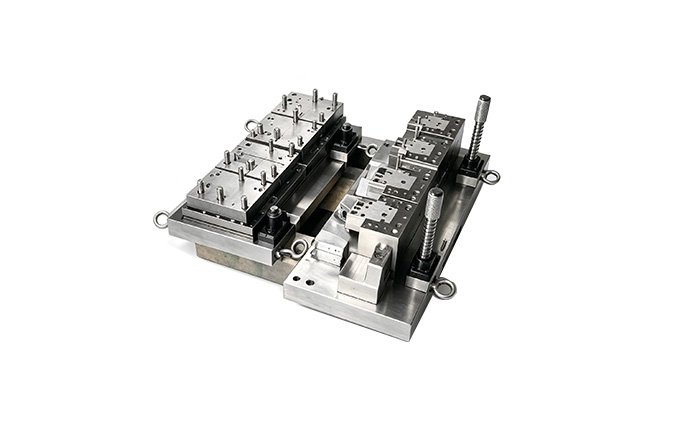
Provide a full range of molds.
🔵How Can an HENGCHUAN Knuckle Joint Press Help Reduce Die Wear
HENGCHUAN Design & Manufacturing Philosophy
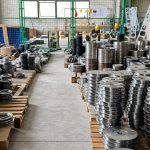
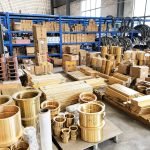
At HENGCHUAN, our design philosophy is focused on long-term machine performance—not simply the specifications of a new machine. We select high-quality critical components and pay close attention to material quality, machining accuracy and structural stability to support reliable operation over years of production.
From the beginning, we have considered how key components will perform after long-term use, how well machine accuracy can be maintained, and how stable the forming process can remain for the tooling. This approach has become an integral part of the design and manufacturing of every HC Knuckle Joint Press.
Our goal is simple: to build a press that delivers lasting value in real production.
Reduced Impact when contact with the material
When a conventional mechanical press die approaches the material, the slide is typically moving at a relatively high speed, resulting in greater instantaneous impact. In a knuckle joint press, the slide speed has already decreased before contact, helping reduce impact force and associated component wear.
Reduced Forming Position Variation
During continuous production, excessive variation in the slide’s bottom dead center position can affect forming conditions and part consistency. The stable BDC repeatability of a knuckle joint press helps maintain more consistent forming positions and conditions, reducing abnormal loading and excessive stress on the die caused by positional variation.
Our goal is not to make dies wear-free, but to help reduce abnormal wear and keep the tooling operating under more stable and appropriate conditions, supporting longer service life.
We want you to invest in a press that stands up to real production over time—not simply a machine with impressive specifications when it leaves the factory.
🔵Knuckle Joint Press Vs. Crank Press
Knuckle joint presses and conventional mechanical crank presses are widely used for metal stamping. However, their slide motion and force characteristics make them suitable for different forming requirements.
| Feature | Knuckle Joint Press | Conventional Crank Press |
| Slide Motion | Slower near BDC | Higher slide speed near BDC |
| Mechanical Advantage | High near BDC | More uniform through the stroke |
| Forming Force | Concentrated near BDC | Distributed through the stroke |
| Precision Forming | Excellent | Good |
| Coining & Embossing | Excellent | Suitable |
| Deep Drawing & Forming | Excellent | General applications |
| Tooling Impact | Lower mechanical shock near BDC | Higher impact at comparable forming conditions |